You’ve done your homework on nootropics — the broad category of supplements and compounds marketed to support memory, focus, and mental clarity. Maybe you’re already taking lion’s mane mushroom or a B-vitamin complex and feeling good about it. But if you’re also on a prescription antidepressant (like an SSRI — a selective serotonin reuptake inhibitor, the most commonly prescribed class of antidepressants, which includes sertraline, fluoxetine, and escitalopram) or an ADHD medication (like Adderall, Vyvanse, or Ritalin), the supplement math changes significantly. Some nootropic ingredients that are perfectly safe on their own can cause real problems when layered on top of these medications. This guide is here to map exactly where those risks live, show you which combinations are worth avoiding entirely, and help you build a stack that supports your cognitive goals without putting you in your prescriber’s office with an avoidable problem.
This isn’t a scare piece. Most nootropics are fine. But a meaningful subset interact with serotonin pathways or stimulant mechanisms — the exact systems your prescription medications are already modulating. The gaps in most supplement guides stop right here, at the point where this actually matters.
Why SSRIs and ADHD Meds Create a Different Risk Landscape
To understand the problem, you need a quick picture of what these medications are doing.
SSRIs work by blocking the reuptake of serotonin in synapses — meaning more serotonin stays active in the space between neurons. This is their therapeutic mechanism. The tradeoff is that any supplement also pushing serotonin activity upward creates additive load on the same system. Push it too far and you risk serotonin syndrome — a spectrum of symptoms ranging from restlessness and rapid heart rate on the mild end to dangerous fever, muscle rigidity, and seizures at the severe end. Per Healthline’s clinical overview of serotonin syndrome, even moderate cases require medical attention and medication adjustment.
Stimulant ADHD medications (amphetamine salts like Adderall, methylphenidate like Ritalin and Concerta) work primarily through dopamine and norepinephrine. They accelerate neurotransmitter release and block reuptake — essentially turning up the gain on your catecholamine system. Add any supplement with stimulant-adjacent effects and you’re stacking amplifiers. Add anything with MAO-inhibiting properties (which slow the breakdown of these neurotransmitters) and you can push blood pressure and heart rate into uncomfortable or dangerous ranges.
Non-stimulant ADHD medications (atomoxetine, guanfacine, clonidine) have their own interaction profiles — atomoxetine is a selective norepinephrine reuptake inhibitor, meaning serotonergic supplements are less of a concern, but anything affecting norepinephrine still warrants attention.
The problem isn’t that nootropic brands are hiding this. Most legitimate brands disclose that you should “consult a healthcare provider before use if taking medications.” The problem is that this disclaimer obscures meaningful differences — some interactions are theoretical and low-risk, others are well-documented and clinically significant. You need the gradient, not just the warning label.
The High-Risk Category: Ingredients That Directly Affect Serotonin
These are the ingredients to treat as hard stops if you’re on an SSRI or SNRI (serotonin-norepinephrine reuptake inhibitor, like venlafaxine or duloxetine):
5-HTP (5-hydroxytryptophan) is marketed widely as a mood and sleep support compound. It’s a direct precursor to serotonin — your body converts it into serotonin efficiently. This is precisely why combining it with an SSRI carries documented risk. The NIH National Center for Complementary and Integrative Health’s 5-HTP fact sheet explicitly flags this combination as a serotonin syndrome risk and recommends against concurrent use. This one is not a gray area. No matter how clean the brand’s sourcing is, 5-HTP + SSRI is a combination to avoid.
St. John’s Wort (Hypericum perforatum) is the most well-studied problematic ingredient in this category. It has moderate antidepressant evidence on its own, which is exactly the issue — it works partly by inhibiting serotonin reuptake, essentially acting like a weaker, uncontrolled SSRI. As Examine.com’s drug interaction module on St. John’s Wort details, combining it with SSRIs is one of the most replicated herb-drug interactions in the literature, with multiple case reports of serotonin syndrome and a significant pharmacokinetic complication: St. John’s Wort also induces CYP3A4 enzymes in the liver, which can lower blood levels of SSRIs themselves, reducing their effectiveness unpredictably. Double exposure on one pathway, reduced efficacy on another. Avoid.
L-Tryptophan (found in some sleep and relaxation formulas) operates similarly to 5-HTP, one step further upstream in the serotonin synthesis pathway. The risk profile is lower than 5-HTP but not zero, particularly at higher supplemental doses.
By the Numbers: Serotonin Interaction Risk Tier
| Ingredient | Mechanism Overlap | SSRI Risk Level | Action |
|---|---|---|---|
| 5-HTP | Direct serotonin precursor | High — documented cases | Avoid |
| St. John’s Wort | Serotonin reuptake inhibition + CYP3A4 induction | High — replicated literature | Avoid |
| L-Tryptophan (high dose) | Serotonin precursor | Moderate | Discuss with prescriber |
| SAMe | Serotonergic activity | Moderate | Discuss with prescriber |
The Stimulant Interaction Zone: What to Watch With ADHD Medications
This set of concerns is different in character — less about a single acute risk like serotonin syndrome and more about additive cardiovascular load and unpredictable amplification.
Yohimbine is a potent alpha-2 adrenergic antagonist (it blocks the receptors that put the brake on norepinephrine release, effectively keeping norepinephrine elevated). On its own it’s used for fat loss and sometimes as a mild stimulant. Combined with amphetamine-based ADHD medications, you are stacking two mechanisms that both elevate catecholamines. Elevated blood pressure, elevated heart rate, increased anxiety, and potential cardiovascular strain are the realistic outcomes. It shows up in pre-workout blends and some fat-burning nootropic stacks without obvious labeling. Check your ingredient list.
Synephrine (bitter orange extract, often labeled as Citrus aurantium) is a beta-agonist with stimulant properties. It’s a common replacement for ephedra in energy-focused stacks. Same concern: additive cardiovascular burden with stimulant ADHD medications.
High-dose Tyrosine (L-Tyrosine or N-Acetyl L-Tyrosine) is a precursor to dopamine and norepinephrine. At typical doses (500–1000mg), the interaction risk with ADHD stimulants is likely low for most people. At the higher ranges seen in some aggressive pre-competition stacks (2–4g+), you’re meaningfully increasing substrate for the same neurotransmitter systems your medication is already pushing. Not a hard stop, but worth flagging to your prescriber, especially if you’re noticing elevated heart rate or jitteriness.
Caffeine-adjacent stimulants in proprietary blends deserve a specific mention here. Proprietary blends — where a stack of stimulant compounds is listed as a single undisclosed total — are a red flag for this audience precisely because you can’t know whether you’re getting a clinically trivial 50mg of a secondary stimulant or a cardiovascularly relevant 200mg. If you’re on stimulant ADHD medication, proprietary blends with multiple stimulant-coded ingredients should be avoided outright, full stop.
The Safer Middle Ground: Nootropics With Lower Interaction Risk
This is the more optimistic section. A significant number of well-studied nootropics interact minimally with SSRIs and ADHD medications — not zero risk, but low enough that most practitioners and pharmacists consider them reasonable for concurrent use with appropriate monitoring.
Lion’s Mane mushroom (Hericium erinaceus) — specifically fruiting body extracts, not mycelium on grain — has no established serotonergic or catecholaminergic mechanism. Its proposed benefits center on nerve growth factor (NGF) stimulation. Based on current published evidence reviewed at Examine.com, there are no documented significant interactions with SSRIs or stimulant ADHD medications.
Bacopa Monnieri is a well-studied Ayurvedic herb with memory-consolidation evidence across multiple trials. Examine.com’s Bacopa research summary notes a mild potential interaction with certain medications processed by CYP enzymes, but no direct serotonergic or dopaminergic mechanism that would make it high-risk for SSRI or ADHD medication users. The practical caution here is that Bacopa has a slow-loading timeline (4–6 weeks to onset), so manage expectations accordingly.
Rhodiola Rosea sits in a category that requires nuance. It has documented adaptogenic properties and some evidence for reducing mental fatigue. Examine.com’s Rhodiola summary notes a theoretical mild monoamine oxidase inhibition effect at high doses, which in principle could interact with SSRIs. In practice, the evidence for clinically significant serotonin-related interactions at standard supplemental doses (200–400mg of 3% rosavins extract) is weak. That said, some prescribers flag it conservatively for patients on SSRIs. Worth a conversation, not a hard avoid.
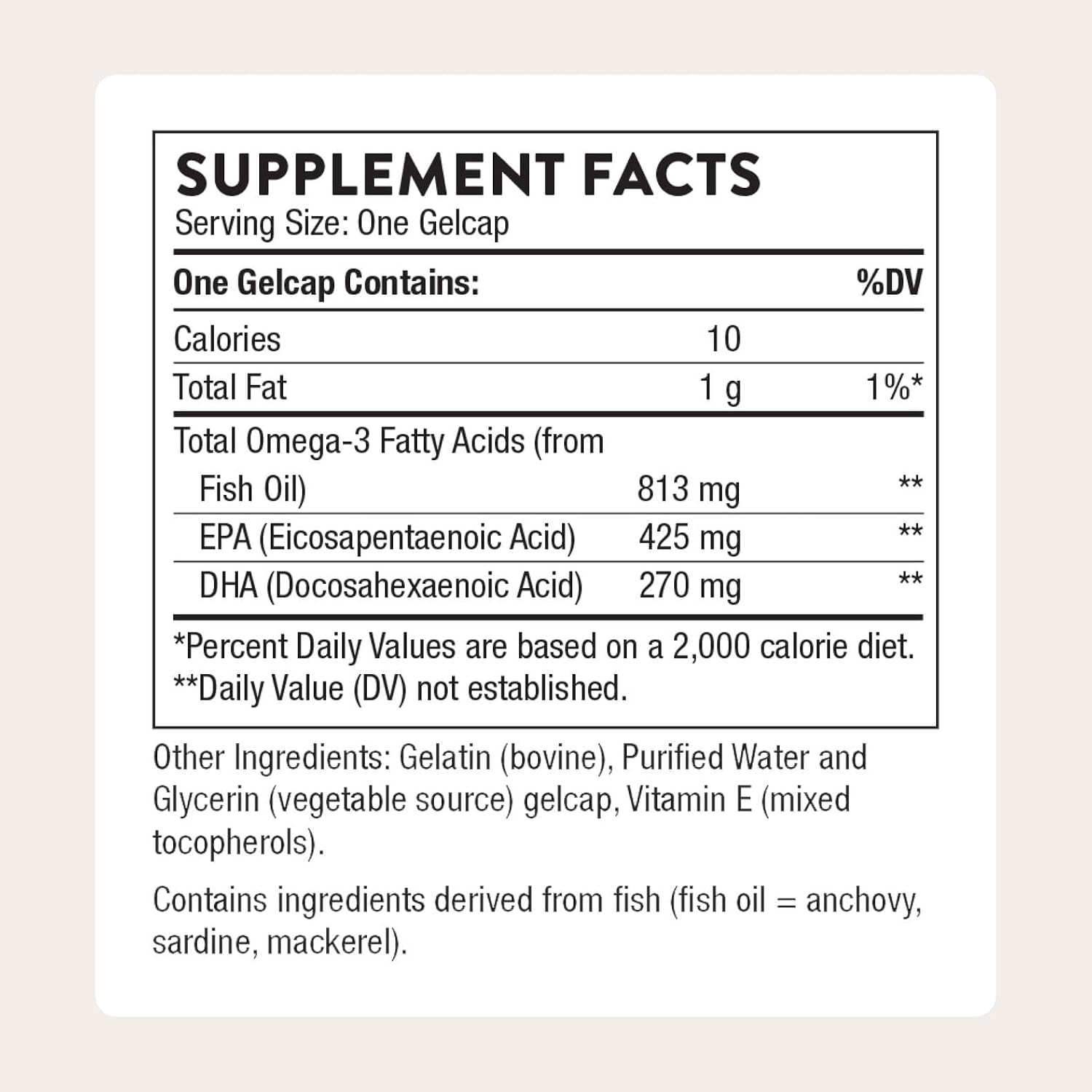
Omega-3 fatty acids (EPA + DHA) — relevant here because omega-3s are in many broad nootropic stacks — have no meaningful interaction concerns with either SSRIs or stimulant ADHD medications. Some early research has even suggested adjunctive mood benefits alongside SSRIs. When evaluating omega-3 products, look for actual EPA and DHA milligrams on the label, not just “fish oil” total weight; 1000mg of fish oil is not the same as 1000mg of EPA+DHA combined, and the distinction matters for the clinical dosing range (typically 1–2g EPA+DHA daily for cognitive and mood support).
Magnesium (glycinate or L-threonate) is well-tolerated, has no known interactions with SSRIs or stimulant medications, and has supporting evidence for anxiety reduction and sleep quality — two quality-of-life dimensions often compromised in people managing mood and attention conditions.
The Decision Framework: If X, Then Y
The goal here isn’t a blanket avoid-everything posture — it’s a triage logic that matches your actual situation.
If you’re on an SSRI or SNRI:
- Hard avoid: 5-HTP, St. John’s Wort, high-dose L-Tryptophan, SAMe.
- Discuss before starting: Rhodiola at high doses, any product with a proprietary serotonergic blend where full dosing is undisclosed.
- Likely fine with monitoring: Lion’s mane (fruiting body), Bacopa, Omega-3 (EPA+DHA), Magnesium.
If you’re on stimulant ADHD medication (Adderall, Vyvanse, Ritalin, Concerta):
- Hard avoid: Yohimbine, Synephrine/bitter orange, proprietary blends with multiple undisclosed stimulant compounds.
- Use cautiously and at lower doses: High-dose L-Tyrosine (>1g), any stack with multiple stimulant-coded ingredients.
- Likely fine with monitoring: Lion’s mane, Bacopa, Omega-3, Magnesium, Rhodiola at standard doses.
If you’re on a non-stimulant ADHD medication (atomoxetine, guanfacine):
- Serotonergic caution still applies for atomoxetine (norepinephrine-selective reuptake inhibitor).
- Stimulant-additive risk is lower than with amphetamines but not eliminated for norepinephrine-active compounds like Yohimbine.
Universal operating rule: Any new nootropic you’re considering while on prescription medications is worth a 5-minute conversation with your prescribing physician or pharmacist. Not because every supplement is dangerous — most aren’t — but because the conversation costs you nothing and the NIH MedlinePlus Drug Interactions guidance is explicit that even “natural” supplements can alter how medications are absorbed, metabolized, and excreted. Your pharmacist has access to drug interaction databases that take seconds to check.
The mark of a good stack isn’t how many ingredients are in it. It’s how clearly you understand what each one is doing — and whether that mechanism is compatible with the prescription medications already doing their job.